Brush & Cedar Removal in Fort Smith, AR
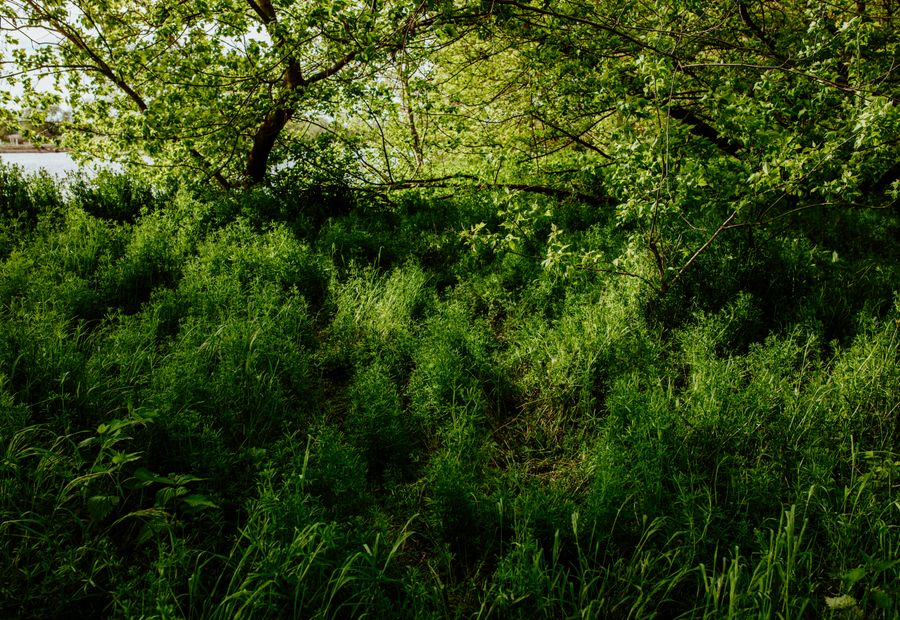
Fort Smith Mulching is a brush and cedar removal contractor cutting eastern red cedar, blackberry, sumac, locust, privet, greenbrier, and volunteer saplings off pasture, fence lines, glade edges, woodlots, and rural homesites in Fort Smith, Greenwood, Lavaca, Barling, Charleston, Booneville, Van Buren, Alma, and Mountainburg. We serve landowners across Sebastian, Crawford, Franklin, Logan, and Scott counties, Arkansas.
Brush work rewards a fine chip and a machine that can turn in tight quarters. Our drum heads come from Denis Cimaf, built in Quebec for hardwood, and the teeth doing the cutting are carbide. Teeth are a wear part. We rotate and replace them on a schedule, because a dull tooth tears fiber instead of slicing it and the operator feels the machine slow down before he sees it. A drum holds material against the housing until the chip is small, which matters when the debris has to lie flat under a fence or along a driveway. Compare that with a blade pushing a cedar thicket into a windrow. The windrow becomes a burn pile you now need permission to light, and the ground under it stays scarred and bare for years. Ground brush stays where it fell and rots down into the soil.
Fence Lines and Glade Edges
A fence line grows shut from both directions and takes the fence with it. Cedar limbs lean on the top wire, locust sprouts push a post out of plumb, and blackberry swallows the brace. We cut a clean working width down the line and stop short of the wire so the existing fence survives the job. The rocky glade edges on these sandstone ridges are where cedar starts, so that is where we start too.
Thinning Versus Clearing
Clearing takes everything to bare grade. Thinning takes a species and a size and leaves the rest. Most of the calls we get here are thinning calls, even when the owner uses the word clearing. He wants the cedar gone, the understory open, and the oak and hickory untouched. The machine can do exactly that, one stem at a time, because an operator aims a mulching head and a dozer blade only pushes.
The Regrowth Answer
Chips shade the surface and hold light seed down for a season or so. They do not kill a root system. Cedar is done for good. The sprouting species are not, and a hardwood stump will push a ring of shoots by the following summer. Budget a short return visit or a spot herbicide treatment. Anyone who promises one pass forever has not been back to look.
Timing
We book this work in all four seasons. Bare limbs make cedar easy to pick out of a mixed stand in January. Rain is the only thing that reliably moves a date, since soaked ground rutted by tracks stays rutted. Reach us at (479) 555-0163.
Will cedar grow back after you cut it?
No. Eastern red cedar has no ability to sprout from a cut stump. Take it off at the ground and that tree is finished. What comes back is everything else in the thicket. Blackberry, sumac, locust, privet, sweetgum, and persimmon all push new shoots from the root system. That is why we quote the cut and then talk to you about year two.
How did cedar take over my pasture?
Fire used to hold it back. Grass fires ran through this country regularly and killed young cedar before it made a trunk. Nobody burns pasture that way anymore, so cedar walks in from the fence line and the rocky glade edges where nothing grazed it. Birds carry the seed and drop it along the wire. Once a stand shades the ground, the grass under it quits, and the pasture goes acre by acre.
Can you clear the underbrush and leave my big trees?
Yes, and that is most of what we do. The operator takes the cedar, the greenbrier, and the saplings out from under a mature oak or hickory and never touches the canopy. You end with a woodlot you can walk and see through. On a hunting tract we leave the mast trees standing and open only what you want opened.
What does a maintenance pass involve?
It is a second, much shorter visit a year or two after the first clearing. The sprouts coming off blackberry and locust roots are small and soft by then, so the machine moves fast and the price drops well below the original clearing. Some landowners run a mower over it instead. Others spot spray the sprouts and skip the machine. We will tell you which one fits your ground.